Introduction
Adopting a cat can be an exciting thing to do, but it can also be a responsibility. Though cats may appear self-sufficient, they also require daily attention and care, a safe place, food, clean water, grooming, mental stimulation, and veterinarian care, as necessary. Once you’re a new cat parent, understanding cat basics early on will help your cat maintain their health, comfort, and happiness.
Home care of a cat doesn’t have to be a complicated process each day. It is about making a basic schedule for your cat; feeding, watering, cleaning litter box, playing, grooming, keeping her safe and checking on her health. Cats with very good care tend to be more relaxed, more social and less prone to developing stress related behavior issues. This is a complete beginners’ guide to basic cat care at home, from the necessary supplies to feeding your cat to cleaning up the litter box, grooming your cat, keeping your home cat-safe and when to call a vet.
Please note: This article is not intended to be a financial or investment advice.
It is not intended to be a substitute for the professional advice of a licensed veterinarian. Please visit the veterinarian immediately if your cat is ill, injured, is not eating, vomiting, or is behaving abnormally. The short answer to How to Take Care of a Cat at Home? is to make sure you do it properly. Caring for a cat at home means giving them a nutritious diet, clean water and litter, a quiet sleeping space, daily play and attention, regular grooming, and regular veterinary check-ups. Other indications to look for include appetite, energy, litter box use, weight changes, coat condition and behavior as these may be early signs of health issues.
The best day-to-day care for a cat is:
• Eating at set meal times. Providing fresh water at all times of the day.
• Scooping the litter box daily
• Exercising and stimulating your cat through play Cat watchers should check their cat’s behavior and health. Creating a restful environment for animals to rest and settle.
Gateshead staff will keep dangerous items from getting close to your cat.
2. Welcome Your Cat to Your Home
Once you have decided to adopt a cat, ensure that your home will be safe and comfortable for them. Cats are a curious species. They enjoy investigating, smelling things, scratching, climbing and exploring new spaces. This is a normal behavior but also it implies to eliminate potential risks.
The first few days, settle your cat in one quiet room that they can get used to. Food, water, a litter box, a nice bed and a few toys should be in this room. When introducing a new cat to the entire house, they can be stressed. Smaller space makes them feel more secure.
It is also a good idea to inspect your home for hazards as well. Don’t let cleaning products, medicines, wires, sharp objects, plastic bags, small objects that can choke, or toxic plants near your cat. There are also some well known plants that are poisonous for cats and it is advisable to do research before acquiring a plant for the inside of the home.
Every cat owner must have these supplies.
2. Supplies That Every Cat Owner Must Have.
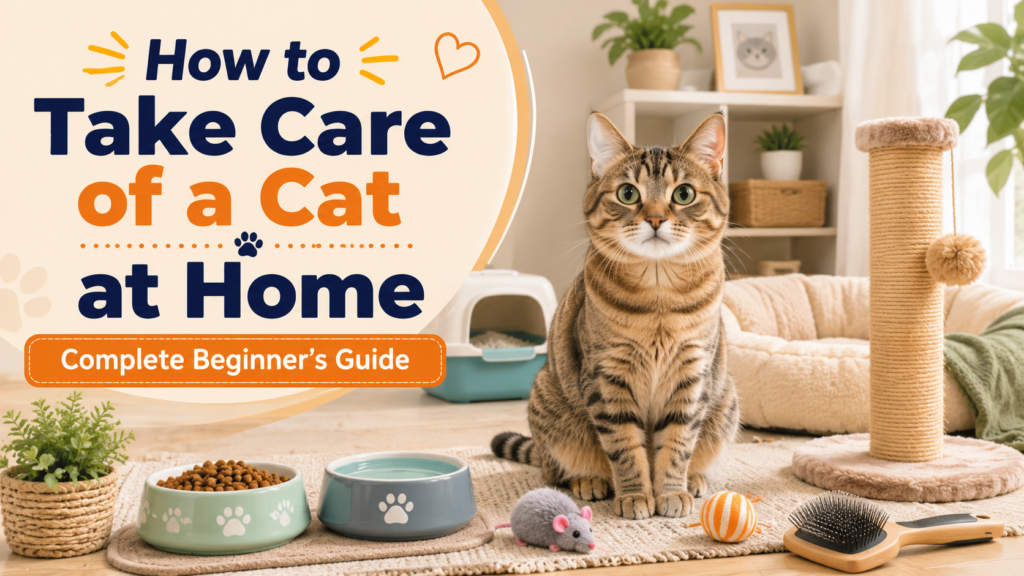
While luxury cat supplies might not be required, the right basic ones are. If you have these in place before your cat comes to you, your cat will feel at ease. Some must have items for cats include: • Suitable cat food for your kitty’s age
A bowl to hold food and water.
Food and water bowl
• Litter box
• Cat litter Use a scoop to pick up trash. Cat bed or soft blanket
• Scratching post
• Cat carrier
• Grooming brush
• Nail clippers
• Toys Use an ID tag on collar if necessary
• Safe hiding place
Even cats who don’t venture outside will need a cat carrier very often. It is important for you to have it for vet visits, traveling, emergencies, or when you move. Make sure the carrier you select is big enough for your cat to sit up and turn around comfortably, secure, and easy to clean.
3. Provide a well-balanced diet for your cat.
One of the most crucial aspects of cat care is feeding. Cats’ nutritional requirements differ significantly from those of humans and dogs, so they require feline-specific food. A well balanced cat food should have the correct proportions of protein, fat, vitamins, minerals and moisture.
Pick food that is appropriate for your cat’s age and health requirements. Kittens require kitten food because they grow rapidly. Maintenance food is the best choice for adult cats. Depending on the health of the cat, he may require food beneficial to digestion, joints or kidneys as a senior.
Wet, dry or a mix can be used. Cats that don’t drink a lot of water may benefit from wet food because it has a higher water content. Dry food is easy to store and convenient. But it depends on your cat’s lifestyle, health, age and weight. Avoid feeding your cat random human foods. There are certain human foods that can cause a cat’s stomach upset, and others that can even be harmful. Foods such as onions, garlic, chocolate, alcohol, grapes, raisins, and anything with caffeine should never be given to cats.
4. Keep Fresh Water Available All Day
Cats need access to clean, fresh water every day. Some cats do not drink enough water, especially if they eat mostly dry food. To encourage drinking, place water bowls in quiet areas away from the litter box. Many cats do not like their water near their toilet area.
You can also try a cat water fountain if your cat prefers moving water. Wash water bowls regularly because bacteria and dust can collect inside them. If your cat suddenly drinks much more or much less than usual, it may be a sign of a health issue and should be checked by a vet.
5. Create a Proper Feeding Routine
Cats usually do better with a consistent feeding schedule. Some owners feed two meals a day, while others offer smaller meals more often. The right schedule depends on your cat’s age, activity level, weight, and health.
Do not overfeed your cat. Obesity is a common problem in indoor cats and can increase the risk of health issues. Check the feeding guide on the food package, but remember that it is only a general recommendation. If your cat is gaining or losing weight, ask a vet about the correct portion size.
A simple feeding routine can look like this:
- Morning: Fresh water and first meal
- Afternoon: Small snack or play session
- Evening: Second meal
- Night: Check food bowl, water bowl, and litter box
Try not to change your cat’s food suddenly. If you need to switch foods, do it slowly over several days by mixing the new food with the old food. This can help reduce stomach upset.
6. Set Up the Litter Box Correctly
A clean litter box is essential for cat health and comfort. Cats are naturally clean animals, and many will avoid a dirty or uncomfortable litter box. If a cat starts urinating or defecating outside the box, the problem may be medical, behavioral, or related to the litter box setup.
Place the litter box in a quiet, easy-to-access location. Avoid loud areas near washing machines, busy hallways, or places where the cat may feel trapped. If you have more than one cat, it is best to have multiple litter boxes in different areas of the home.
A common rule is to have one litter box per cat, plus one extra. For example, if you have one cat, two litter boxes can be helpful. If you have two cats, three litter boxes are usually better.
7. Clean the Litter Box Daily
Litter box hygiene is one of the easiest ways to keep your cat comfortable at home. Scoop solid waste and urine clumps every day. Add fresh litter when needed. Wash the litter box regularly with mild soap and water.
Avoid strong-smelling cleaners because cats have sensitive noses. If the litter box smells too strong, your cat may avoid it. Also, do not keep using an old cracked litter box forever. Scratches and cracks can hold odor and bacteria.
If your cat suddenly stops using the litter box, do not punish it. A litter box problem can be caused by stress, pain, urinary issues, dirty litter, new litter type, or a location the cat dislikes. If the problem continues, contact a vet.
8. Provide a Comfortable Sleeping Area
Cats sleep a lot, and they need safe places to rest. A comfortable sleeping area helps your cat feel secure. This can be a cat bed, soft blanket, cardboard box, window perch, or quiet corner.
Some cats like sleeping in warm areas. Others prefer high places where they can watch the room. Give your cat options and let it choose. Avoid forcing your cat to sleep in one specific place.
If you have children at home, teach them not to disturb the cat while it is sleeping. Cats need peaceful rest, and disturbing them too often can make them stressed or defensive.
10. Ensure Your Cat has daily playtime!
Play is more than just play. It’s essential for the physical and mental well-being of your cat. Play time is particularly important for indoor cats, who don’t hunt or explore outside. Bored and inactive cats are prone to being overweight, anxious and destructive.
Provide a cat with toys that enable it to chase, pounce and jump. Wand toys, balls, soft mice toys and puzzle feeders are helpful. Play with your cat 10-15 minutes at least 1 or 2 times per day.
Don’t use hands as play toys.
Kittens that learn to bite and scratch hands during play may do so as adults. Use a toy always between your hand and your cat.
10. Provide Scratching Posts Scratching is a natural behavior for cats.
Cats scratch for stretching, territory marking, removing old nails and for stress relief. Attempting to stop scratching completely is not recommended. Rather, put your cat to work at teaching him/her where to scratch.
Put scratching posts next to their favorite places to scratch. There are scratching posts available vertically and horizontally, with some cats liking the vertical posts and others the horizontal posts. If your cat starts to scratch furniture, temporarily cover it up and put a scratching post nearby.
Praise your cat when using the scratching post.
Praise, treats or play time can be used. Don’t punish as this can cause fear of you and can be ineffective at resolving the issue.
11. Brush your cat frequently.
Cats self-groom, but require owners to assist them. Brushing regularly will get rid of loose hair, minimizes hairballs, and will help you detect skin issues early on.
Brushing can be as infrequent as once or twice a week for short haired cats. Long haired cats may require daily grooming to prevent matting.
Handle it with care particularly at the belly, tail and legs. It’s also a good opportunity to look over your cat’s body while grooming.
Check for lumps, wounds, fleas, baldness, redness or pain. Cat responds aggressively to touch in a particular location, it might be uncomfortable or hurt.
12. Safely cut your cat’s nails.
Cat nails can get sharp and also fall into garments.
Keep your cat’s nails trimmed to prevent furniture from being scratched and protect the furniture.
Clippers for cats should be used and the sharp tip should only be cut.
Don’t cut too deep as there is an area in the nail called the quick which is sensitive to the cats. The quick may bleed and be painful when cut.
When in doubt, have a vet or groomer demonstrate how to safely cut nails.
If your cat doesn’t enjoy having its nails cut, you need to do it gradually.
Gently touch paws and reward for remaining calm, do not remove more than two nails at a time.
Better to be patient than to force the cat.
13. Keep Your Cat Indoors or Supervised Outside
Many owners keep cats indoors to protect them from traffic, fights, diseases, poisoning, and getting lost. Indoor cats can live happy lives if they have enough play, climbing areas, scratching posts, and mental stimulation.
If you want your cat to experience the outdoors, consider safe options such as a catio, secure balcony, harness training, or supervised outdoor time. Never let your cat roam outside without considering local risks.
Make sure windows and balconies are secure. Cats can fall from high places, even if they seem careful. Screens should be strong and properly fitted.
14. Watch for Signs of Illness
Cats often hide pain and sickness. This is why owners need to watch for small changes in behavior. A cat that suddenly becomes quiet, hides more, stops eating, drinks too much, uses the litter box differently, or grooms less may be unwell.
Contact a veterinarian if you notice:
- Loss of appetite
- Repeated vomiting
- Diarrhea
- Difficulty breathing
- Sudden weight loss
- Blood in urine or stool
- Straining in the litter box
- Extreme tiredness
- Hiding more than usual
- Sudden aggression
- Excessive thirst
- Bad breath with drooling
- Limping or signs of pain
Male cats that strain to urinate need urgent veterinary care because urinary blockage can be life-threatening.
15. Schedule Regular Vet Visits
Even if your cat looks healthy, regular veterinary checkups are important. A vet can check your cat’s weight, teeth, heart, coat, skin, ears, eyes, and overall health. Regular visits can help catch problems early before they become serious.
Your vet can also guide you about vaccines, parasite prevention, spaying or neutering, dental care, weight control, and age-related health needs.
Kittens usually need several vet visits in their first months. Adult cats usually need routine checkups, and senior cats may need more frequent monitoring. Always follow your veterinarian’s advice based on your cat’s age and health.
16. Keep Your Cat Mentally Stimulated
Cats need mental stimulation, not just food and sleep. A bored cat may become destructive, vocal, anxious, or overweight. You can make your home more interesting by adding climbing spaces, window views, puzzle toys, cardboard boxes, tunnels, and interactive play.
Cats enjoy watching birds and outdoor movement from a safe window. You can place a cat tree near a window, but make sure the window is secure. Rotate toys every few days so they feel new again.
Food puzzles can also help. They make your cat work for food in a fun way and can reduce boredom.
17. Build Trust With Your Cat
Cats need time to trust people. Some cats become friendly quickly, while others need weeks or months. Let your cat approach you first. Do not force holding, hugging, or petting if your cat is scared.
Learn your cat’s body language. A relaxed cat may have soft eyes, a calm tail, and gentle movements. A stressed cat may flatten its ears, hide, swish its tail, hiss, or try to move away.
Respecting your cat’s boundaries helps build a stronger bond. When your cat feels safe with you, it is more likely to become affectionate and confident.
18. Keep Your Cat’s Environment Clean
A clean home helps protect your cat’s health. Wash food and water bowls regularly. Clean bedding when it becomes dirty. Vacuum areas where your cat sleeps to reduce hair, dust, and fleas.
If you use air fresheners, scented candles, or cleaning sprays, be careful. Cats can be sensitive to strong smells and some chemicals. Keep cleaning products stored safely and allow cleaned surfaces to dry before your cat touches them.
19. Common Mistakes New Cat Owners Should Avoid
Many beginner cat owners make simple mistakes without realizing it. Avoiding these mistakes can make cat care much easier.
Common mistakes include:
- Feeding too much food
- Not cleaning the litter box daily
- Using strong-smelling litter or cleaners
- Not providing scratching posts
- Ignoring sudden behavior changes
- Punishing the cat for accidents
- Not giving enough playtime
- Letting the cat access unsafe plants or chemicals
- Skipping vet visits
- Forcing affection when the cat is scared
Good cat care is mostly about consistency, patience, and observation.
20. Simple Daily Cat Care Routine
Here is an easy routine you can follow:
Morning
- Give fresh food and water
- Scoop the litter box
- Check your cat’s mood and appetite
Afternoon
- Offer short playtime
- Check water bowl
- Let your cat rest peacefully
Evening
- Feed dinner
- Play for 10 to 15 minutes
- Brush your cat if needed
Before bed
- Scoop litter if needed
- Make sure water is available
- Check doors, windows, and unsafe items
This routine is simple but covers the most important parts of cat care.
FAQs About Taking Care of a Cat at Home
1. Are cats easy to take care of?
Cats are usually easier to care for than some pets, but they still need daily attention. They need food, water, litter box cleaning, playtime, grooming, and health monitoring. A cat should not be ignored just because it seems independent.
2. How many times a day should I feed my cat?
Many adult cats do well with two meals a day, but some cats may need smaller meals more often. Kittens usually need more frequent feeding. Ask your vet for the best schedule based on your cat’s age, weight, and health.
3. How often should I clean the litter box?
You should scoop the litter box every day. The full litter change depends on the type of litter and how many cats use the box. The box should always look and smell clean enough for your cat to use comfortably.
4. Do indoor cats need exercise?
Yes. Indoor cats need exercise to stay healthy and avoid boredom. Daily playtime with toys can help your cat move, jump, chase, and use natural hunting instincts.
5. Do cats need baths?
Most cats do not need regular baths because they clean themselves. However, a bath may be needed if the cat gets something dirty, sticky, or harmful on its fur. Long-haired cats and cats with certain health conditions may need extra grooming help.
6. How do I know if my cat is happy?
A happy cat may eat normally, use the litter box regularly, groom itself, play, sleep comfortably, and show relaxed body language. Slow blinking, gentle head rubbing, and calm behavior around you can also be signs of trust.
7. When should I take my cat to the vet?
Take your cat to the vet if it stops eating, vomits repeatedly, has diarrhea, struggles to urinate, hides more than usual, loses weight, breathes strangely, or shows signs of pain. Sudden behavior changes should not be ignored.
Conclusion
Taking care of a cat at home is about meeting your cat’s basic needs every day. A healthy cat needs proper food, clean water, a clean litter box, a safe home, regular play, grooming, and veterinary care. You do not need to be perfect, but you do need to be consistent.
The best cat owners pay attention to small changes. If your cat’s eating, drinking, litter box habits, energy, or behavior changes suddenly, it may be a sign that something is wrong. With patience, love, and a simple routine, you can give your cat a safe and happy life at home.
Suggested Internal Links
- Best Foods for Indoor Cats: What to Feed and What to Avoid
- How to Litter Train a Kitten: Step-by-Step Guide
- Signs Your Cat Is Sick: Symptoms Cat Owners Should Never Ignore
- Why Do Cats Scratch Furniture? How to Stop It Humanely
- How Much Does It Cost to Own a Cat Monthly?
Suggested Image Alt Text
- Cat resting safely at home
- Indoor cat eating from a clean food bowl
- Clean litter box setup for a house cat
- Cat playing with a wand toy indoors
- Beginner cat care supplies for new owners
Author Box
Written by the editorial team at saabapkaa. This guide is created for beginner cat owners using practical pet-care knowledge and trusted veterinary guidance. It is for educational purposes only and should not replace professional veterinary advice.